
The Impact of Floor Sanding on Indoor Air Quality
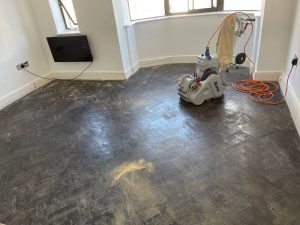
Maintain a Healthy Home Environment During the Floor Sanding Process
Introduction
Floor sanding is a common method used to restore the beauty of wooden floors. However, it can also impact indoor air quality due to the dust and fumes generated during the process. Understanding these impacts and how to mitigate them is essential for maintaining a healthy home environment. This guide explores the impact of floor sanding on indoor air quality and provides tips to manage it effectively.
1. Dust Generation
Floor sanding produces a significant amount of dust, which can affect indoor air quality:
- Respiratory Issues: Inhalation of fine dust particles can cause respiratory issues, especially for individuals with asthma or allergies.
- Surface Contamination: Dust can settle on surfaces throughout your home, requiring extensive cleaning.
- Airborne Particles: Fine dust particles can remain suspended in the air, reducing overall air quality.
2. Chemical Fumes
In addition to dust, floor sanding can release chemical fumes from finishes and sealants:
- Volatile Organic Compounds (VOCs): Many floor finishes contain VOCs, which can evaporate into the air and affect indoor air quality.
- Health Effects: Exposure to VOCs can cause headaches, dizziness, and respiratory irritation.
- Long-Term Exposure: Prolonged exposure to high levels of VOCs may have more serious health implications.
3. Mitigating Dust and Fume Exposure
Taking steps to reduce dust and fume exposure can help maintain indoor air quality during floor sanding:
- Use Dustless Sanding Equipment: Dustless sanding systems capture dust at the source, significantly reducing airborne particles.
- Ventilate the Area: Open windows and use fans to ventilate the area, expelling dust and fumes from your home.
- Seal Off Other Areas: Use plastic sheeting to seal off rooms adjacent to the sanding area, preventing dust from spreading.
- Wear Protective Gear: Use masks and respirators to protect yourself from inhaling dust and fumes.
- Choose Low-VOC Finishes: Opt for water-based finishes and sealants with low VOC content to minimize chemical exposure.
4. Post-Sanding Cleanup
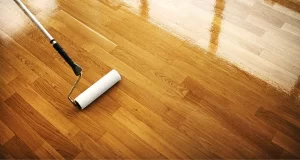
Thorough cleaning after sanding is crucial to restore indoor air quality:
- Vacuum Thoroughly: Use a vacuum cleaner with a HEPA filter to remove dust from floors, walls, and other surfaces.
- Wipe Down Surfaces: Use a damp cloth to wipe down all surfaces, including countertops, windowsills, and furniture.
- Air Purifiers: Consider using air purifiers with HEPA filters to capture remaining dust particles and improve air quality.
- Professional Cleaning: For best results, consider hiring a professional cleaning service to ensure all dust and residues are removed.
5. Long-Term Indoor Air Quality Maintenance
Maintaining good indoor air quality is important even after the floor sanding process:
- Regular Cleaning: Continue regular cleaning routines to prevent dust buildup and maintain air quality.
- Humidity Control: Maintain proper humidity levels to prevent mold growth and dust mite proliferation.
- Ventilation: Ensure your home is well-ventilated, using exhaust fans and opening windows regularly.
- Air Quality Monitoring: Use air quality monitors to keep track of indoor air quality and take action when needed.


Gap Filling
This is a process during which gaps between the floor boards are filled. We fill[Read more...]
The Role of Floor Sanding in Allergy Prevention
The Role of Floor Sanding in Allergy Prevention Maintain a healthier home environment in[Read more...]
The Benefits of Dust-Free Floor Sanding
The Benefits of Dust-Free Floor Sanding Experience a Cleaner, Healthier Home Environment with Innovative[Read more...]
How to Handle Floor Stains from Spills and Accidents
How to Handle Floor Stains from Spills and Accidents Spills and accidents are inevitable,[Read more...]
Floor Sanding for Different Types of Wood: A Guide
Floor Sanding for Different Types of Wood: A Guide Ensure the Best Results for[Read more...]
Gallery 06 – Pine floor board
[Read more...]
Sep
The Benefits of Refinishing Over Replacing Your Floors
The Benefits of Refinishing Over Replacing Your Floors Why refinishing is a cost-effective[Read more...]
How to Restore the Natural Beauty of Your Wood Floors
How to Restore the Natural Beauty of Your Wood Floors Revive and Maintain Your[Read more...]
Floor Sanding for Stairs: Techniques and Tips
Floor Sanding for Stairs: Techniques and Tips Enhance the beauty and longevity[Read more...]
Hardwood vs. Engineered Wood: Which is Better for Sanding?
When it comes to choosing the right flooring for your home, understanding the differences between[Read more...]