
The Importance of Ventilation During Floor Sanding

Expert Tips to Ensure a Safe and Healthy Environment in Your London Home
Introduction
Floor sanding is an essential process for restoring and maintaining the beauty of wooden floors. However, it generates a significant amount of dust and fumes, which can impact indoor air quality. Proper ventilation during floor sanding is crucial to ensure a safe and healthy environment in your London home. In this guide, we’ll explore the importance of ventilation and provide expert tips to maintain good air quality during the sanding process.
Why Ventilation is Important
Ventilation during floor sanding is vital for several reasons:
- Health and Safety: Sanding generates dust and fumes from finishes and sealants, which can be harmful when inhaled. Good ventilation reduces the concentration of these particles in the air, protecting your respiratory health.
- Improved Air Quality: Proper ventilation helps to remove dust and fumes from the work area, improving the overall air quality in your home.
- Efficient Drying: Ventilation aids in the drying process of finishes and sealants, ensuring they cure properly and quickly.
- Fire Safety: Reducing the concentration of flammable fumes decreases the risk of fire hazards during the sanding and finishing process.
Steps to Ensure Proper Ventilation
Follow these steps to ensure adequate ventilation during floor sanding:
- Open Windows and Doors: Create cross-ventilation by opening windows and doors on opposite sides of the room. This allows fresh air to flow in and dusty air to exit.
- Use Fans: Position fans near windows and doors to help circulate air and push dust and fumes out of the room. Exhaust fans are particularly effective in removing airborne particles.
- Seal Off Other Areas: Use plastic sheeting to seal off adjacent rooms and areas to prevent dust and fumes from spreading throughout your home.
- Wear Protective Gear: Even with good ventilation, wearing a dust mask, safety goggles, and ear protection is essential to protect yourself from dust and noise.
- Take Breaks: Regularly take breaks outside the work area to allow your body to get fresh air and reduce prolonged exposure to dust and fumes.
Using Dust Containment Systems
Modern floor sanding equipment often comes with dust containment systems that can significantly reduce the amount of airborne dust:
- HEPA Filters: High-efficiency particulate air (HEPA) filters are effective in trapping fine dust particles, preventing them from being released into the air.
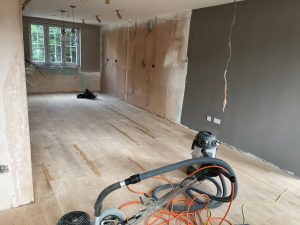
- Dustless Sanding Machines: Invest in or hire dustless sanding machines that are designed to capture dust at the source, improving air quality and reducing cleanup time.
Post-Sanding Cleanup
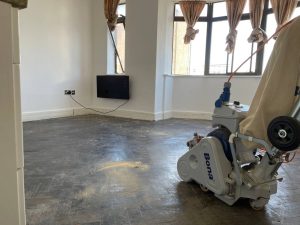
After the sanding process is complete, thorough cleanup is essential to maintain good air quality:
- Vacuum Thoroughly: Use a vacuum cleaner with a HEPA filter to clean up dust from the floor, walls, and other surfaces. Pay special attention to corners and edges where dust can accumulate.
- Wipe Down Surfaces: Use a damp cloth to wipe down all surfaces, including windowsills, countertops, and baseboards, to remove any remaining dust.
- Mop the Floor: After vacuuming, mop the floor with a damp mop to pick up any remaining dust particles and ensure a clean surface for finishing.

The Impact of Floor Sanding on Home Aesthetics
The Impact of Floor Sanding on Home Aesthetics Transform your London home with[Read more...]
How to Handle Mold and Mildew Before Sanding
How to Handle Mold and Mildew Before Sanding Before sanding your floors, it is[Read more...]
How to Deal with High Traffic Areas on Sanded Floors
How to Deal with High Traffic Areas on Sanded Floors Protect and Maintain[Read more...]
Floor sanding and renovation and installation services in Harlow
Harlow, located in Essex, is a thriving town with a rich history and a strong[Read more...]
Sep
The Difference Between Floor Sanding and Refinishing
The Difference Between Floor Sanding and Refinishing Understanding the Best Options for Your London[Read more...]
How to Prepare for Floor Sanding with Pets in the House
How to Prepare for Floor Sanding with Pets in the House Preparing for floor[Read more...]
Choosing the Right Floor Sanding Service in London
When it comes to revitalising your wooden floors, selecting the right floor sanding service is[Read more...]
Top Floor Sanding Trends in 2024
As we move into 2024, floor sanding and finishing techniques continue to evolve, blending innovation[Read more...]
Modern Wood Finishing: Key Findings for Protecting Your Floors
Modern Wood Finishing: Key Findings for Protecting Your Floors At Alchemist Floor Sanding, we[Read more...]
The Impact of Floor Sanding on Home Insulation
The Impact of Floor Sanding on Home Insulation Floor sanding is a[Read more...]