
How to Incorporate Floor Sanding into Your DIY Projects

For London homeowners looking to enhance their DIY skills, incorporating floor sanding into your projects can significantly improve the look and feel of your home. Whether you’re renovating an old property or simply updating a room, understanding the basics of floor sanding can help you achieve professional-quality results. This guide will walk you through the process, providing tips and techniques to ensure your DIY project is a success.
Understanding Floor Sanding
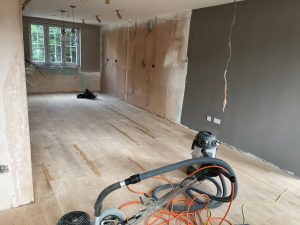
Floor sanding involves removing the top layer of a wooden floor to reveal a fresh, smooth surface. This process is essential for refinishing old floors, removing imperfections, and preparing the wood for a new finish. Proper sanding can restore the natural beauty of your floors and increase their longevity.
Preparing for Your DIY Floor Sanding Project

1. Assess the Floor Condition
Before starting, inspect your floor to determine its condition. Identify any areas that need repairs, such as loose boards, nails, or deep scratches. Address these issues before you begin sanding to ensure a smooth process.
2. Gather the Necessary Tools and Materials
Having the right tools is crucial for a successful floor sanding project. You’ll need:
- Drum sander and edge sander
- Sandpaper in various grits (coarse, medium, fine)
- Vacuum cleaner with a HEPA filter
- Protective gear (gloves, mask, goggles)
- Wood filler for repairs
3. Clear the Area
Remove all furniture, rugs, and decorations from the room. Ensure the space is clean and free of dust and debris. This preparation will make the sanding process smoother and more efficient.
Sanding Your Floors
1. Start with Coarse Grit Sandpaper
Begin by using coarse grit sandpaper (24-36 grit) to remove the old finish and level the surface. Move the sander in the direction of the wood grain to avoid scratches and achieve an even finish.
2. Progress to Medium and Fine Grits
Gradually move to medium grit (60-80 grit) and then fine grit (100-150 grit) sandpaper. This step-by-step approach ensures a smooth surface ready for finishing. Always vacuum between each sanding pass to remove dust and debris.
3. Use an Edge Sander for Corners and Edges
Edges and corners can be challenging to reach with a drum sander. Use an edge sander to tackle these areas, ensuring a consistent finish throughout the room.
Finishing Touches
1. Clean the Floor Thoroughly
After sanding, clean the floor thoroughly to remove all dust. Use a vacuum with a HEPA filter and a damp cloth to ensure the surface is dust-free before applying the finish.
2. Apply the Finish
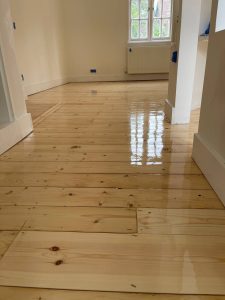
Choose a finish that suits your style and the floor’s use. Options include polyurethane, oil-based finishes, and wax. Apply the finish according to the manufacturer’s instructions, allowing adequate drying time between coats.
Maintenance Tips
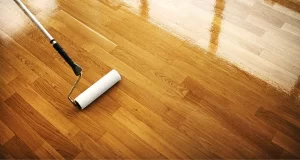
To maintain your newly sanded and finished floors, follow these tips:
- Regularly sweep and vacuum to remove dirt and debris.
- Use protective pads under furniture to prevent scratches.
- Clean spills immediately to avoid staining.
- Refinish the floor as needed to maintain its appearance and durability.
Conclusion
Incorporating floor sanding into your DIY projects can significantly enhance the beauty and value of your London home. By following these steps and using the right tools and techniques, you can achieve professional-quality results. If you prefer professional assistance, our certified floor sanding experts are here to help. Contact us today to learn more about our services and how we can assist with your next home improvement project.

How to Deal with Floor Squeaks: Sanding and Repair Tips
How to Deal with Floor Squeaks: Sanding and Repair Tips Ensure Quiet and Smooth[Read more...]
The Role of Floor Sanding in Home Staging
The Role of Floor Sanding in Home Staging Enhance your London home’s appeal with[Read more...]
The Benefits of Hiring a Local Floor Sanding Expert
The Benefits of Hiring a Local Floor Sanding Expert Enhancing Your London Home with[Read more...]
How to Choose the Right Floor Sanding Method for Your Needs
How to Choose the Right Floor Sanding Method for Your Needs Introduction Choosing the[Read more...]
The Best Floor Sanding Techniques for High-Traffic Areas
The Best Floor Sanding Techniques for High-Traffic Areas Maintaining the beauty and durability of[Read more...]
Sand Hard Wood Flooring
Even the best wood floors are subject to damage. With time, hardwood floors scratch, dull,[Read more...]
The Benefits of Floor Sanding for Pet Owners
The Benefits of Floor Sanding for Pet Owners As a pet owner, maintaining beautiful[Read more...]
How to Achieve a Smooth Finish on Your Sanded Floors
How to Achieve a Smooth Finish on Your Sanded Floors Expert Tips for Professional-Quality[Read more...]
How to Achieve a Rustic Look with Floor Sanding
How to Achieve a Rustic Look with Floor Sanding Transform your London home with[Read more...]
How to Choose the Right Sandpaper for Floor Sanding
How to Choose the Right Sandpaper for Floor Sanding Ensure a Smooth and Professional[Read more...]