
How to Identify and Repair Water Damage Before Sanding
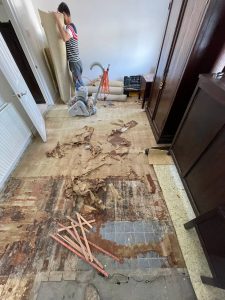
Ensure your London home’s floors are in top condition for sanding and finishing
Identifying Water Damage on Wooden Floors
Before sanding your wooden floors, it’s crucial to identify and repair any water damage. Water damage can compromise the integrity of the wood, leading to further issues if not addressed. Here’s how to spot the signs of water damage:
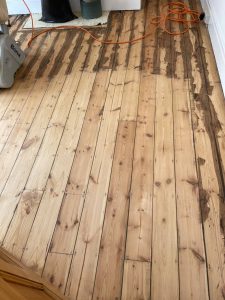
- Discolouration: Look for dark or discoloured patches on the wood, which indicate water has seeped into the material.
- Warping: Check for any warping, cupping, or buckling of the floorboards, as these are clear signs of water damage.
- Soft Spots: Press down on different areas of the floor to detect any soft or spongy spots, indicating water has weakened the wood.
- Mould and Mildew: Look for any visible signs of mould or mildew, which thrive in damp conditions and can cause significant damage.
- Musty Odour: A persistent musty smell can also indicate the presence of water damage and mould growth.
Steps to Repair Water Damage

Once you’ve identified water damage, it’s essential to repair it before proceeding with sanding. Follow these steps to ensure your floors are properly restored:
1. Address the Source of Water
Identify and fix the source of the water to prevent further damage. This might involve repairing leaks, improving ventilation, or addressing issues with your home’s plumbing or roofing.
2. Dry the Affected Area
Thoroughly dry the damaged area using fans, dehumidifiers, and open windows to ensure there is no remaining moisture. This step is crucial to prevent mould growth and further deterioration.
3. Remove Damaged Wood
If the damage is extensive, you may need to remove and replace affected floorboards. Use a pry bar to carefully lift the damaged boards and install new, matching wood.
4. Sand and Refinish
After repairing or replacing the damaged areas, sand the floor to create a smooth, even surface. Follow up with a suitable finish to protect the wood and restore its appearance.
5. Treat for Mould and Mildew
If mould or mildew is present, treat the area with a mixture of water and vinegar or a commercial mould remover. Ensure the area is thoroughly cleaned and dried before proceeding with sanding.
Preventing Future Water Damage
To keep your wooden floors in pristine condition, take steps to prevent future water damage:
- Regular Maintenance: Inspect your floors regularly for signs of damage and address any issues promptly.
- Use Mats and Rugs: Place mats and rugs in high-traffic areas and near entryways to protect your floors from moisture and dirt.
- Control Humidity: Use dehumidifiers in damp areas and ensure your home is well-ventilated to prevent moisture buildup.
- Seal Your Floors: Apply a protective sealant to your wooden floors to create a barrier against moisture.
- Prompt Spill Cleanup: Wipe up spills immediately to prevent water from seeping into the wood.
Seeking Professional Help
If you’re unsure about the extent of the water damage or need assistance with repairs, it’s best to consult with a professional. Experienced flooring specialists in London can assess the damage and provide expert repairs to ensure your floors are ready for sanding and finishing. If you need professional help, contact us today. Our team is here to assist you with all your flooring needs.


Modern Wood Finishing: Key Findings for Protecting Your Floors
Modern Wood Finishing: Key Findings for Protecting Your Floors At Alchemist Floor Sanding, we[Read more...]
Why Floor Sanding is Essential for London Homes
Introduction Floor sanding is a crucial maintenance task for homeowners in London. It goes beyond[Read more...]
How to Create Custom Floor Designs with Sanding and Staining
How to Create Custom Floor Designs with Sanding and Staining Transform your London home[Read more...]
How to Choose the Best Floor Sanding Products
How to Choose the Best Floor Sanding Products Essential tips for selecting high-quality sanding[Read more...]
Ultimate Guide to Floor Sanding in London: Everything You Need to Know
Introduction Welcome to Alchemist Floor Sanding, London’s leading floor sanding experts. If you’re considering revamping[Read more...]
The Pros and Cons of Matte vs. Gloss Finishes
The Pros and Cons of Matte vs. Gloss Finishes Choosing the right finish for[Read more...]
The Role of Sealing in the Floor Sanding Process
The Role of Sealing in the Floor Sanding Process Enhancing the Durability and Appearance[Read more...]
Buffing and one coat finish
[Read more...]
The Best Finishes for Sanded Floors: A Comprehensive Guide
Choosing the right finish for your sanded floors is crucial in achieving the perfect look[Read more...]
How to Clean Your Sanded Floors: Dos and Don’ts
How to Clean Your Sanded Floors: Dos and Don’ts Keep Your Wooden Floors Looking[Read more...]