

As a pet owner, maintaining beautiful wooden floors while ensuring the safety and comfort of your furry friends can be challenging. Fortunately, there are pet-friendly floor sanding solutions that can help you achieve both. This guide provides insights into making your floors both durable and safe for pets, perfect for homeowners in London who want the best for their homes and their pets.
- Choosing the Right Wood and Finish
Hardwood vs. Softwood:
- Hardwood: Opt for hardwood species like oak, maple, or hickory, which are more resistant to scratches and dents caused by pet claws. Hardwoods generally last longer and maintain their appearance better under the stress of pet traffic.
- Softwood: While more affordable, softwoods like pine are prone to scratches and dents, making them less ideal for homes with pets.
Durable Finishes:
- Oil-Based Polyurethane: Known for its durability and resistance to wear, oil-based polyurethane provides a hard, protective layer that can withstand heavy foot traffic and pet claws.
- Water-Based Polyurethane: Although slightly less durable than oil-based, water-based polyurethane is quicker to dry and has lower VOCs, making it a safer option for pets and their owners.
- Hard Wax Oil: This finish penetrates the wood and provides a protective layer while enhancing the natural beauty of the wood. It’s also easier to spot repair, making it convenient for pet owners.
- Non-Toxic and Eco-Friendly Options
Low VOC Finishes:
- Water-Based Polyurethane: Choose low-VOC water-based finishes to minimize harmful emissions. These finishes are safer for pets, particularly those with respiratory issues.
- Natural Oils: Look for natural oil finishes made from plant-based ingredients. These finishes are non-toxic and environmentally friendly, providing a safe surface for your pets to walk and play on.
Pet-Safe Stains:
- Natural and Low-VOC Stains: Ensure any stains used are low in VOCs and free from harmful chemicals. Pet-safe stains protect your pets from inhaling toxic fumes and potential skin irritants.
- Protective Measures During Sanding


Containment:
- Keep Pets Away: During the sanding process, keep your pets in a separate, well-ventilated area away from the work zone to protect them from dust and noise.
- Use Barriers: Set up barriers to prevent pets from entering the sanding area and potentially getting injured or causing disruption.
Ventilation:
- Proper Ventilation: Ensure the area is well-ventilated to quickly disperse any dust and fumes. This reduces the risk of respiratory issues for both you and your pets.
- Post-Sanding Care and Maintenance
Regular Cleaning:
- Sweep and Vacuum: Regularly sweep and vacuum your floors to remove pet hair, dirt, and debris that can cause scratches.
- Damp Mop: Use a damp mop with a pH-neutral cleaner to clean the floors without damaging the finish.
Preventive Measures:
- Rugs and Mats: Place rugs and mats in high-traffic areas and near entrances to reduce wear and tear on your floors. These also help in trapping dirt and moisture from your pet’s paws.
- Nail Trimming: Regularly trim your pet’s nails to minimize scratches and gouges on the floor.
Spot Repairs:
- Touch-Up Kits: Keep a floor touch-up kit handy to address minor scratches and scuffs promptly. Regular maintenance helps keep your floors looking their best despite pet activity.
- Professional Sanding and Finishing

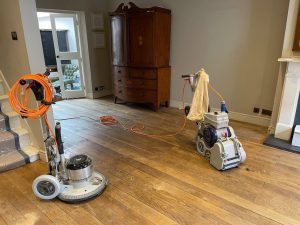
Experienced Professionals:
- Hire Experts: When hiring professionals, choose those experienced in pet-friendly sanding and finishing solutions. They can recommend the best products and techniques to ensure durability and safety.
- Quality Assurance: Ensure the professionals use high-quality, pet-safe products to provide a long-lasting finish that withstands pet traffic.
Conclusion
Maintaining beautiful wooden floors in a pet-friendly home is achievable with the right approach and products. By choosing durable, non-toxic finishes and implementing protective measures, you can ensure your floors remain stunning and safe for your pets. Regular maintenance and prompt repairs will also help extend the life of your floors, making your London home a comfortable and elegant space for both you and your furry companions.
Whether you’re considering DIY floor sanding or hiring professionals, prioritizing pet-friendly solutions ensures a harmonious living environment for everyone in your home. Embrace these tips to enjoy the beauty and functionality of well-maintained wooden floors without compromising your pets’ well-being.

The Environmental Impact of Floor Sanding and How to Mitigate It
Environmental Impact of Floor Sanding Floor sanding is an essential process for maintaining[Read more...]
The Best Floor Sanding Practices for Winter
The Best Floor Sanding Practices for Winter Winter can present unique challenges for maintaining[Read more...]
Floor sanding and renovation and installation services in Essex
Essex: A County of Charm and Diversity Essex is a historic and picturesque county located[Read more...]
The Importance of Ventilation During Floor Sanding
The Importance of Ventilation During Floor Sanding Expert Tips to Ensure a Safe and[Read more...]
How to Sand Floors in Small Spaces: Tips and Tricks
How to Sand Floors in Small Spaces: Tips and Tricks Sanding floors in[Read more...]
How to Handle Heavy Furniture on Sanded Floors
How to Handle Heavy Furniture on Sanded Floors Protect your wooden floors from[Read more...]
The Benefits of Refinishing Over Replacing Your Floors
The Benefits of Refinishing Over Replacing Your Floors Why refinishing is a cost-effective[Read more...]
Low-noise and dust free floor
[Read more...]
Case Studies: Successful Floor Sanding Projects in London
Floor sanding is an essential process for restoring and enhancing the beauty of wooden floors.[Read more...]
Cork Tile Sanding
Cork is an environmentally friendly, green resource for flooring, easy to maintain, provides thermal and[Read more...]