
How to Deal with High Traffic Areas on Sanded Floors
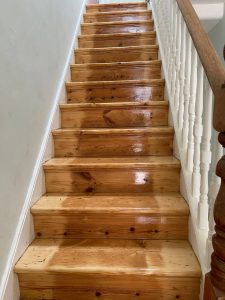
Protect and Maintain Your Wooden Floors in Your London Home
Introduction
High traffic areas on sanded floors require special attention to maintain their appearance and longevity. These areas, such as hallways, entryways, and living spaces, are prone to wear and tear due to constant foot traffic. This guide provides essential tips for dealing with high traffic areas on sanded floors, helping you protect and preserve your wooden floors in your London home.
1. Use Area Rugs and Runners
Placing area rugs and runners in high traffic areas is one of the most effective ways to protect your sanded floors:
- Choose Durable Rugs: Opt for rugs made from durable materials that can withstand heavy use.
- Non-Slip Pads: Use non-slip pads under rugs to prevent them from moving and causing scratches.
- Regular Cleaning: Clean rugs and runners regularly to remove dirt and debris that can scratch the floor underneath.
2. Implement a No-Shoes Policy
Adopting a no-shoes policy can significantly reduce the amount of dirt and grit brought into your home:
- Shoe Racks and Storage: Provide shoe racks or storage at entryways to encourage family members and guests to remove their shoes.
- Indoor Slippers: Offer comfortable indoor slippers for use inside the home.
3. Use Door Mats
Placing door mats at all entry points helps trap dirt and moisture before they reach your sanded floors:
- Outdoor Mats: Place sturdy mats outside each entrance to catch dirt and debris.
- Indoor Mats: Use absorbent mats just inside the doors to capture any remaining dirt and moisture.
- Regular Cleaning: Shake out or vacuum door mats regularly to keep them effective.
4. Regular Cleaning
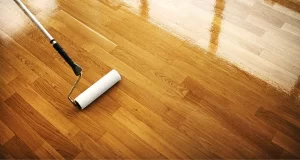
Consistent cleaning is crucial for maintaining the appearance of high traffic areas:
- Sweep or Vacuum Daily: Remove dust and dirt daily to prevent scratches and wear.
- Damp Mop Weekly: Use a damp mop with a mild, pH-neutral cleaner designed for wooden floors. Avoid excessive water.
- Spot Clean Spills: Clean up spills immediately to prevent water damage and stains.
5. Apply Protective Coatings
Applying a protective finish can enhance the durability of your sanded floors in high traffic areas:
- High-Quality Finish: Use a high-quality, durable finish such as polyurethane to protect the wood.
- Regular Reapplication: Reapply the finish as needed, especially in high traffic areas, to maintain protection.
- Professional Application: Consider hiring professionals for applying finishes to ensure even coverage and optimal protection.
6. Furniture Pads and Protectors
Prevent furniture from scratching and denting your floors by using pads and protectors:
- Felt Pads: Attach felt pads to the legs of furniture to prevent scratches and scuffs.
- Furniture Cups: Use furniture cups under heavy pieces to distribute weight and prevent dents.
- Regular Checks: Inspect and replace pads and protectors regularly to ensure they remain effective.
7. Regular Maintenance
Consistent maintenance helps extend the life of your sanded floors in high traffic areas:
- Inspection: Regularly inspect your floors for signs of wear and address issues promptly.
- Professional Refinishing: Consider professional refinishing every few years to restore the beauty and durability of your floors.




The Benefits of Reclaimed Wood Floors and Sanding
The Benefits of Reclaimed Wood Floors and Sanding Your guide to sustainable and stylish[Read more...]
How Surface Textures Impact Warmth and Comfort: Insights for Your London Home
How Surface Textures Impact Warmth and Comfort: Insights for Your London Home How Surface Textures[Read more...]
The Best Lighting Options to Highlight Sanded Floors
The Best Lighting Options to Highlight Sanded Floors Enhance the beauty of your wooden[Read more...]
The Role of Floor Sanding in Property Management
The Role of Floor Sanding in Property Management Introduction Property management involves a wide[Read more...]
Floor sanding and renovation and installation services in Bexley
Bexley: A Historic and Green London Borough Bexley is a charming borough located in the[Read more...]
Gallery 01 – Sand and oak stain and varnish finish
[Read more...]
Sep
Gap Filling
This is a process during which gaps between the floor boards are filled. We fill[Read more...]
How to Handle Adhesive Residue Before Floor Sanding
How to Handle Adhesive Residue Before Floor Sanding Effective methods to prepare your[Read more...]
How to Identify and Repair Water Damage Before Sanding
How to Identify and Repair Water Damage Before Sanding Ensure your London home’s floors[Read more...]
How to Prepare Your Home for Floor Sanding
Preparing your home for floor sanding is a crucial step to ensure a smooth and[Read more...]